Client Support: (210) 775-1115
Sales Inquiries: (210) 963-5850

Professional Risk Assessments
| Evolution Technologies
Security Gaps Don’t Fix Themselves
Most cyberattacks do not begin with overwhelming force. They begin with small, overlooked vulnerabilities that allow access to your systems. Our risk assessments identify weaknesses across your network, systems, and policies before they are exploited. We provide clear, actionable insights that help you prioritize fixes and reduce exposure.
Whether you need to qualify for cyber insurance, strengthen internal controls, or prepare for expansion, our assessments give you a clear view of where your risks are. We help you turn uncertainty into action by showing exactly what needs to be secured and why it matters.
Clarity That Strengthens Your Security
Identify weak points before attackers exploit them
Validate your existing defenses with real-world testing
Meet requirements for HIPAA, PCI, and cyber insurance
Get prioritized action steps instead of vague reports
Protect internal systems and public-facing infrastructure
Gain visibility into how threats could spread
Build a stronger foundation for long-term security planning
What Clients Say About Us
Peace of Mind at an Affordable Flat Monthly Fee
Very prompt and professional! Evolution Technologies always provides us with professional and prompt service. They pay very good attention to detail and take the time to listen to our problems and offer a solution. We have experienced many problems with our transition to EMR and they have been there working with us and the IT support team for our EMR. They go above and beyond. Thanks Evolution Technologies!

ADULT INTERNAL MEDICINE SPECIALISTS
Texas
A Trustworthy, Transparent Partner
I am aware that Evolution Technologies has many corporate clients with larger needs. We are a small business with only a few employees but they are very prompt when we have a computer issue! They make us feel like we are always at the top of their list.

PRIMERO ENGINEERING
Texas
One of the Best Companies Around
The rapid response times as well as the broad knowledge base of the technicians, beyond that of other IT specialists, sets this firm apart. They are willing to modify their usual procedures to fit the needs of their clients.

IMED HEALTHCARE ASSOCIATES
Texas

"Over the past 5 years, we have never had a situation where Evolution Technologies could not get us back up and running ASAP. I appreciate your level of technology expertise while still retaining an ability to speak with the “common folk.” We have appreciated the relationship between Barrett Jaguar and Evolution Technologies, and we look forward to what’s coming up!"

"The rapid response times as well as the broad knowledge base of the technicians, beyond that of other IT specialists, sets this firm apart. They are willing to modify their usual procedures to fit the needs of their clients."

"I am aware that Evolution Technologies has many corporate clients with larger needs. We are a small business with only a few employees but they are very prompt when we have a computer issue! They make us feel like we are always at the top of their list."

"Very prompt and professional! Evolution Technologies always provides us with professional and prompt service. They pay very good attention to detail and take the time to listen to our problems and offer a solution. We have experienced many problems with our transition to EMR and they have been there working with us and the IT support team for our EMR. They go above and beyond. Thanks Evolution Technologies!"
How We Identify And Reduce Risk
We conduct in-depth security assessments that combine scanning, testing, and expert analysis. Our process is designed to expose real vulnerabilities, not just surface-level issues, and help you take meaningful action.
Layered Testing
We combine automated tools with manual techniques to identify vulnerabilities in both internal and external systems. This approach helps reveal configuration flaws, outdated software, and gaps in your environment.
Compliance Alignment
Every assessment is structured to align with your industry’s regulations and standards. We help you prepare for audits, meet legal requirements, and maintain ongoing compliance across HIPAA, PCI, and FTC safeguard frameworks.
Actionable Reporting
Our reports are clear, prioritized, and free of confusing technical jargon. Each finding includes severity ratings and step-by-step remediation guidance so your team knows exactly what to do next.
Remediation Support
We help implement recommended fixes, resolve weaknesses, and verify improvements through follow-up testing. Our team stays involved until you are confident that vulnerabilities are closed and your risk is reduced.















Is Your Network Exposed to Hidden Security Risks?
Most networks accumulate vulnerabilities over time without anyone noticing. As systems change and staff evolves, it becomes harder to keep track of what’s exposed and what no longer meets security standards. You may have unknown entry points, outdated software, or misconfigured settings that leave you open to attack without triggering alerts.
Risk assessments are not just for compliance. They give you a clear view of what is really going on inside your environment. Whether you're preparing for an audit, tightening security, or updating cyber insurance, a professional assessment can help you uncover problems before they cause damage.
We Can Help
Why You Should Choose Us. We don’t just run tools and hand you a confusing report. Our risk assessments are conducted by experienced professionals who explain exactly what we find, why it matters, and how to fix it. You get more than data. You get clarity and a plan that moves you toward real security improvement.
From internal scans to full-scale penetration testing, our team adapts every engagement to your specific environment and compliance needs. We deliver fast results, actionable insights, and hands-on guidance to help you close gaps and reduce risk with confidence, day in and day out.

Internal Vulnerability Scanning
Find Security Gaps Inside Your Network
Internal scans identify vulnerabilities within your firewall that attackers or malicious insiders could exploit. We look for unpatched systems, poor configurations, and outdated software that might be putting your business at risk. These scans help ensure your internal environment is secure and aligned with your company’s access policies and compliance goals.
We help you maintain a secure internal network by detecting weak points that could be exploited from within your organization or by unauthorized users who bypass external defenses.
Outdated software and operating systems are flagged for patching.
Misconfigured devices and systems are identified for correction.
Scans are scheduled regularly to maintain security visibility over time.
External Vulnerability Scanning
Stop Threats Before They Reach Your Network
External scans simulate how attackers view your business from the outside. We assess your public-facing systems, firewalls, and services for exploitable vulnerabilities that could give outsiders access. This helps reduce the risk of intrusion, reputation damage, or data theft.
Our external assessments show what your network looks like from the outside and identify vulnerabilities that should be addressed before attackers attempt to take advantage of them.
Open ports and exposed services are identified for closure or control.
Firewall rules and public IPs are scanned for common vulnerabilities.
Reports include severity rankings and remediation priorities.
Pen Testing
Real-World Testing Of Your Security Defenses
Penetration testing goes beyond scanning by actively testing how your systems hold up against attack. We attempt to exploit weaknesses, elevate privileges, and gain access just like a real attacker would. This approach shows how far a breach could go and what damage it could cause to your business.
We replicate real-world attack scenarios to help you understand which vulnerabilities matter most, how attackers could move through your environment, and what steps are needed to strengthen your defenses.
Common attack paths are mapped and tested to reveal weak spots.
Privilege escalation and lateral movement are attempted under controlled conditions.
A detailed report explains what was accessed and how to close the gaps.
Why Businesses Count On Our Risk Assessments
Risk assessments are only valuable when they lead to action. We focus on delivering clear, prioritized insights that help businesses take control of their security. Our team combines deep technical expertise with plain-language reporting to make complex threats understandable, actionable, and fixable without confusion or delay anywhere.
Clear Reporting
We turn technical findings into language your team can understand. Each report explains risk levels, impact, and recommended action steps so you can quickly prioritize and fix vulnerabilities without confusion, wasted effort, or unnecessary delays or gaps.
Hands-On Support
Our job isn’t finished when the scan ends. We assist with remediation, validate fixes, and re-test as needed to ensure vulnerabilities are properly addressed and your systems are fully secured moving forward successfully and consistently.
Real Testing
We use tactics real attackers rely on. Our testing shows how far threats can spread inside your network and what systems would be affected if those vulnerabilities remain unpatched, exposed, or actively targeted repeatedly by attackers.
Proven Experience
We work with regulated, high-risk, and fast-growing businesses that face evolving threats. Our background allows us to guide you from assessment through resolution with practical advice, proven methods, and reliable industry-aligned security execution and guidance.
FAQs About Our Risk Assessments
How often should a business perform a risk assessment?
Most businesses should perform a full risk assessment annually, with additional assessments after major changes like system upgrades, office moves, or new regulatory requirements. High-risk industries may require more frequent testing.
What’s the difference between a vulnerability scan and a pen test?
A vulnerability scan looks for known weaknesses using automated tools. A pen test goes further by simulating real-world attacks to exploit those vulnerabilities and test how far an attacker could go.
Will a risk assessment disrupt daily operations?
No. Most of our scanning and testing can be performed without interrupting normal operations. We schedule activities during low-impact times and coordinate closely with your team throughout the process.
How do I know if my business needs a risk assessment?
If you store sensitive data, manage a network, or need to meet compliance standards, you need one. Even small businesses can have significant vulnerabilities they are unaware of until tested.
Do your assessments meet compliance standards?
Yes. Our assessments are aligned with regulatory frameworks like HIPAA, PCI, and FTC safeguards. We provide the documentation, reporting, and testing required to support audit readiness and demonstrate due diligence.
Vulnerability Management: Technical Risk & Gap Analysis
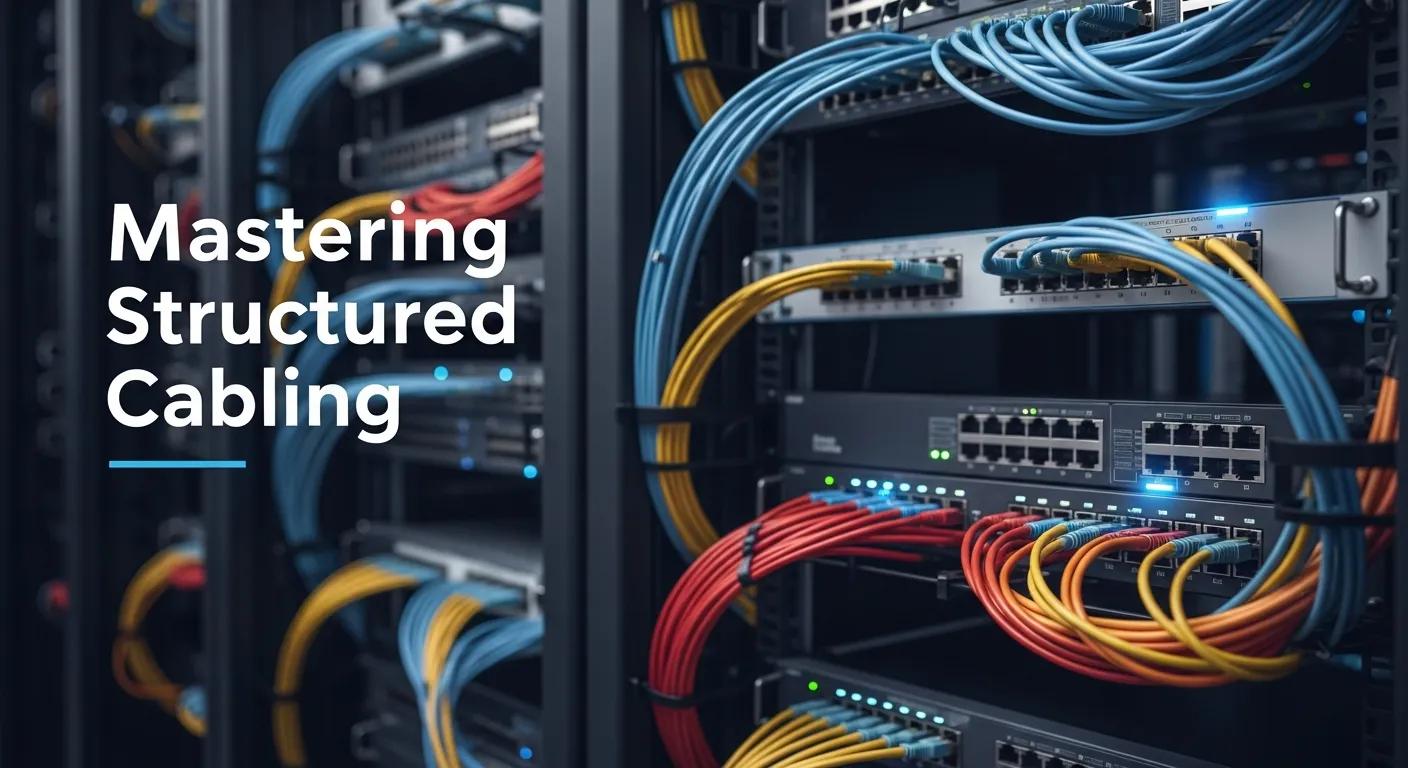
Structured Cabling Services in San Antonio: What Businesses Need to Know
Structured cabling built for San Antonio businesses
Structured cabling is the foundation for reliable voice and data across modern workplaces. In San Antonio, more organizations are turning to professional structured cabling services to increase uptime, improve throughput, and make growth less disruptive. Below, we walk through the core benefits, our step-by-step process, and how purpose-built installs help regulated industries meet security and compliance needs. You’ll also get a clear guide to common cable types and how the right design protects your network investment. Finally, learn why local companies trust Evolution Technologies for structured cabling in San Antonio.
Why professional structured cabling matters for San Antonio companies
Professionally designed cabling improves network reliability and overall performance. A standardized system keeps equipment interoperable, reduces downtime, and speeds troubleshooting. It supports high-speed data — critical for data-driven operations — and provides a scalable platform that grows with your business, making it a smart long-term investment.
A strategic structured cabling approach unlocks stronger, more predictable network performance.
Structured Cabling for High-Speed Network Performance
This paper proposes a model using structured cabling to optimize bandwidth and boost performance in high-speed communication networks.
The role of integrated structured cabling system (ISCS) for reliable bandwidth optimization in high-speed communication network, J Logeshwaran, 2022
How structured cabling improves reliability and performance

Consistent standards and tidy cable routes reduce failure points and make maintenance predictable. That translates to faster troubleshooting and more uptime. Quality cable products and proper terminations preserve signal integrity so your network maintains throughput during peak demand.
Cost savings and reduced downtime: what to expect
A structured cabling installation lowers operating costs by cutting outages and simplifying repairs. Less downtime means fewer lost hours and smaller recovery bills. Because upgrades and troubleshooting are faster, many organizations report operational savings — commonly up to 30% — after moving to a structured system, making it a practical choice for growth-minded teams.
What our structured cabling process looks like at Evolution Technologies
Our process follows a straightforward, proven workflow: strategic planning, industry-standard installation, and rigorous testing with full documentation. Every project is shaped around your operational goals while staying aligned with applicable regulations and best practices.
What strategic planning and design involve
Planning starts with a site assessment to map existing infrastructure, capacity needs, and cable pathways. We design for future growth and emerging technologies so the layout performs today and scales tomorrow. The result is a cabling plan that meets performance goals and minimizes disruption during installation or expansion.
Which installation standards and components we use
We install to TIA/EIA standards and specify components — cables, connectors, and patch panels — chosen for long-term performance. Proper terminations and disciplined cable management are part of every job, extending system life and keeping signal quality steady. Our focus is dependable, predictable performance rather than temporary fixes.
Following these industry standards is essential for long-term reliability.
ANSI/TIA/EIA Standards for Network Cabling Installation
Cabling that isn’t designed and installed to standards such as the ANSI/TIA/EIA-568 series can lead to persistent problems.
Cabling: the complete guide to network wiring, 2006
Testing, certification, and documentation you can rely on
Every installation includes advanced testing to verify performance and signal integrity, followed by formal certification. We deliver complete documentation that records installation details, test results, and compliance status — so future moves, adds, and changes are simple and well-documented.
Structured cabling solutions built for regulated industries in San Antonio
Regulated sectors — healthcare, legal, and financial services — have strict security and compliance requirements. Structured cabling designed for those needs helps protect sensitive data and supports audit readiness.
Supporting healthcare facilities and HIPAA requirements
In healthcare, a secure cabling architecture protects patient data in transit and supports connectivity for medical devices. Thoughtful layouts and segregation of sensitive systems reduce exposure risk and help maintain HIPAA compliance while improving clinical workflows.
Secure, compliant infrastructure is especially important for providers navigating complex regulations.
HIPAA Compliance & Communication Cable Lines in Healthcare
Small healthcare providers often face HIPAA security challenges and may rely on a few PCs, a router, and communication cable lines—sometimes engaging a cable firm to supply internet services.
HIPAA security compliance challenges: The case for small healthcare providers, JQ Chen, 2017
Data protection for legal and financial firms
Legal and financial organizations require strict controls around client information. Structured cabling delivers a stable, secure backbone that supports encryption, network segmentation, and other safeguards — helping preserve client trust and meet regulatory obligations.
Which types of structured cabling are available to San Antonio businesses?
Different cable types answer different needs — performance, distance, and environment all matter. Below we summarize common options so you can match infrastructure to your business requirements.
Why fiber optic cabling is ideal for high-bandwidth needs

Fiber delivers long-distance, high-speed transmission with minimal interference — ideal for cloud services, data centers, and large file transfers. Because fiber resists electromagnetic interference, it provides consistent performance in challenging environments and scales to meet growing bandwidth demands.
How Cat6, Cat6A, and low-voltage cabling fit commercial networks
Cat6 and Cat6A are common in commercial deployments: Cat6 supports up to 10 Gbps at shorter distances (around 55 meters) while Cat6A maintains 10 Gbps to 100 meters. Low-voltage cabling handles security, telecom, and auxiliary systems — giving you flexible routing options to build an efficient, integrated network.
How structured cabling helps future-proof your network
A future-ready cabling design anticipates growth and tech change so you’re not rebuilding infrastructure every few years. Smart planning and higher-capacity components keep your network adaptable as needs evolve.
Why scalability matters for growing San Antonio businesses
Scalability lets you add users, devices, and services without major rework. A structured system with spare capacity and clear pathways makes expansions faster and less disruptive, preserving productivity as your business grows.
Supporting emerging tech like Wi‑Fi 7 and 400‑GbE
Modern cabling supports the low latency and high throughput required by Wi‑Fi 7, 400‑GbE, and other new standards. Choosing cabling that meets higher performance thresholds helps ensure the infrastructure won’t bottleneck future upgrades.
Why choose Evolution Technologies as your structured cabling contractor in San Antonio?
The right contractor matters for long-term performance and support. Evolution Technologies pairs local knowledge, rapid response, and a security-first approach to deliver cabling solutions tailored to your business.
What sets Evolution Technologies apart
We combine technical expertise, fast responsiveness, and security-focused execution on every project. Work is customized to client goals and overseen with quality checks from planning through handoff. That commitment to delivery and service keeps clients returning for IT and cabling work.
What San Antonio clients say about our structured cabling
Local clients praise our professionalism, on-time delivery, and attention to budgets and details. Testimonials commonly note our ability to finish projects on schedule and provide reliable follow-up support — proof that our installations perform day to day.
| Component | What it does | Primary benefits |
|---|---|---|
| Fiber Optic Cabling | Long-distance, high-speed data transmission | Extended range and large bandwidth for data-heavy applications |
| Cat6 Cabling | Copper cabling for LAN connections | Supports up to 10 Gbps (to ~55 meters) for fast local networks |
| Low Voltage Cabling | Wiring for security, telecom, and auxiliary systems | Flexible pathways for non-power systems and devices |
The table above summarizes common structured cabling components and their typical uses so you can compare options against your operational needs and growth plans.
To learn how Evolution Technologies can design and install a structured cabling system for your business, reach out to our team . We’ll review your goals and help plan a resilient, future-ready network.
Frequently Asked Questions
What are the key benefits of structured cabling for small businesses?
Structured cabling gives small businesses improved network reliability, less downtime, and faster data transfer. A standardized system simplifies troubleshooting and reduces disruptions. It also supports scalability, so you can add services or staff without large infrastructure changes — a major advantage for teams planning to grow.
How does structured cabling impact energy efficiency?
Organized cabling and high-quality materials can improve energy efficiency by reducing signal loss and minimizing equipment strain. Good cable management improves airflow and helps prevent overheating, which can lower power use. Energy-efficient components can be included in the design to further reduce operating costs.
What is the role of cable management in structured cabling?
Cable management keeps systems organized, accessible, and efficient. Proper routing and labeling reduce damage, interference, and signal degradation, and they make maintenance and troubleshooting faster. Good management also improves airflow and workplace safety while helping meet code requirements.
How can businesses prepare for a structured cabling installation?
Prepare by reviewing your current infrastructure and anticipated needs. Identify performance bottlenecks and estimate bandwidth requirements. Engage a cabling provider early to define goals and scheduling constraints so installation causes minimal disruption.
What are the differences between fiber optic and copper cabling?
Fiber uses light to carry data, offering higher bandwidth and longer distances without signal loss — ideal for high-speed applications. Copper (like Cat6) is generally less expensive and easier to install but has distance and bandwidth limits. Choose based on performance needs, budget, and site conditions.
What should businesses do if they experience network issues after installation?
Start with the documentation your contractor provided — it usually includes test results and installation details that help pinpoint issues. If problems continue, contact your cabling provider for support. Reputable providers offer post-installation troubleshooting to get systems back to expected performance.
How often should structured cabling systems be evaluated or upgraded?
Evaluate cabling every few years or whenever you introduce major new technologies or face increased data demands. Regular assessments help spot issues, confirm compliance with standards, and determine whether upgrades are needed. Proactive upgrades prevent performance bottlenecks as your needs grow.
What types of businesses benefit most from structured cabling?
Structured cabling benefits many organizations, especially those that rely on fast, reliable data — healthcare, finance, technology, and any company planning to scale. Firms handling many devices or sensitive information see the greatest returns from a well-designed system. In short: any organization seeking better reliability and simpler growth gains value from structured cabling.
How does structured cabling enhance network security?
Structured cabling creates an organized, controllable infrastructure that supports network segmentation, secure access controls, and encryption. A disciplined design makes it easier to implement physical and logical safeguards and reduces the risk of accidental exposure or misconfiguration.
What are the environmental considerations for structured cabling installations?
Consider available space, electromagnetic interference risks, and temperature control. Good cable management prevents overheating and preserves signal quality. Choose low-impact materials where practical and follow local rules for disposal and recycling of old cabling to limit environmental impact.
Can structured cabling systems be upgraded easily?
Yes. A properly planned system includes spare capacity and accessible pathways, making it straightforward to add connections or swap components. Regular assessments help identify upgrade needs. Investing in quality materials and following standards keeps the system adaptable as technology advances.
What role does documentation play in structured cabling systems?
Documentation is essential. It records cable routes, termination points, and test results — making troubleshooting, maintenance, and upgrades faster and less error-prone. Well-kept documentation also supports compliance and speeds planning for future changes.
How can businesses assess their structured cabling needs?
Begin with a review of current infrastructure, bandwidth usage, and growth plans. Count devices, map critical applications, and set performance targets. A professional site assessment will reveal gaps and recommend solutions aligned with your operational goals.
What factors should businesses consider when choosing a structured cabling provider?
Look for proven experience, certifications, and industry-specific project history. Confirm the provider understands relevant regulations (especially in healthcare and finance), ask about project management and warranties, and verify post-installation support. These elements matter for long-term reliability.
How long does a typical structured cabling installation take?
Timelines vary by facility size, design complexity, and existing conditions. Small to medium projects often take a few days to a couple of weeks; larger or regulated projects require more planning and time. Agreeing on timelines up front helps minimize operational disruption.
What maintenance is required for structured cabling systems?
Routine maintenance includes periodic inspections, signal-integrity testing, and checking terminations and connections. Update documentation after any change. Regular professional service catches issues early and keeps performance steady over time.
Can structured cabling support wireless networks?
Absolutely. Structured cabling is the backbone for reliable wireless coverage. While access points provide mobility, a robust wired infrastructure delivers high-capacity uplinks and consistent performance — critical in high-density environments.
What are the common challenges faced during structured cabling installation?
Common challenges include navigating existing infrastructure, meeting local code requirements, and coordinating with other trades. Space limits or unexpected site conditions can arise. A detailed site survey and clear project management reduce surprises and keep installations on schedule.
How can businesses ensure their structured cabling is future-proof?
Future-proofing starts with quality materials and a scalable design that supports higher data rates and extra connections. Plan for spare capacity and accessible pathways, and review infrastructure periodically so upgrades stay predictable and cost-effective.
Final thoughts
Structured cabling is a strategic investment for San Antonio businesses that need dependable, high-performance networks. Working with a professional provider like Evolution Technologies gives you a scalable, secure infrastructure that reduces downtime and controls long-term costs. Contact our team to discuss a tailored cabling plan that supports your operations today and positions you for tomorrow.
Conclusion
Investing in structured cabling is essential for San Antonio organizations seeking reliable, high-performance networks that adapt as needs change. By partnering with Evolution Technologies, you gain a secure, scalable infrastructure that minimizes downtime and improves operational efficiency. Our tailored solutions meet compliance requirements and support your growth goals. Reach out to our team today to plan a resilient network for the future.

Let’s Talk About What You Need From Your IT Services
Our certified team is ready to help you improve security, eliminate recurring issues, and align IT with your business goals. We combine fast response times, proactive support, and clear communication to deliver real value without the usual tech runaround. Let’s see how we can simplify your IT and support your next stage of growth.
Call (210) 963-5850 today or click the button below to schedule your appointment. Let's take IT off your mind for good.

Headquarters
8122 Datapoint Dr. Ste. 205 San Antonio, Texas 78229